 Listicle
Benefits of Buying Halal Meat Online in 2026
Last Updated: October 23, 2026
Quick Summary
Buying halal meat online saves time by letting you order anytime with doorstep delivery, while verified sellers document certification and ethical sourcing so you can trust what you buy. Well-run suppliers pack to order with vacuum sealing and cold-chain shipping, so fresh meat arrives in good condition. You can't inspect the meat first, so check the certifying body and audit process before ordering.
- Order fresh meat Monday to Wednesday so deliveries arrive before the weekend cold-chain rush.
- Confirm the certifying body is named on the product page and matches the exact cut and supplier.
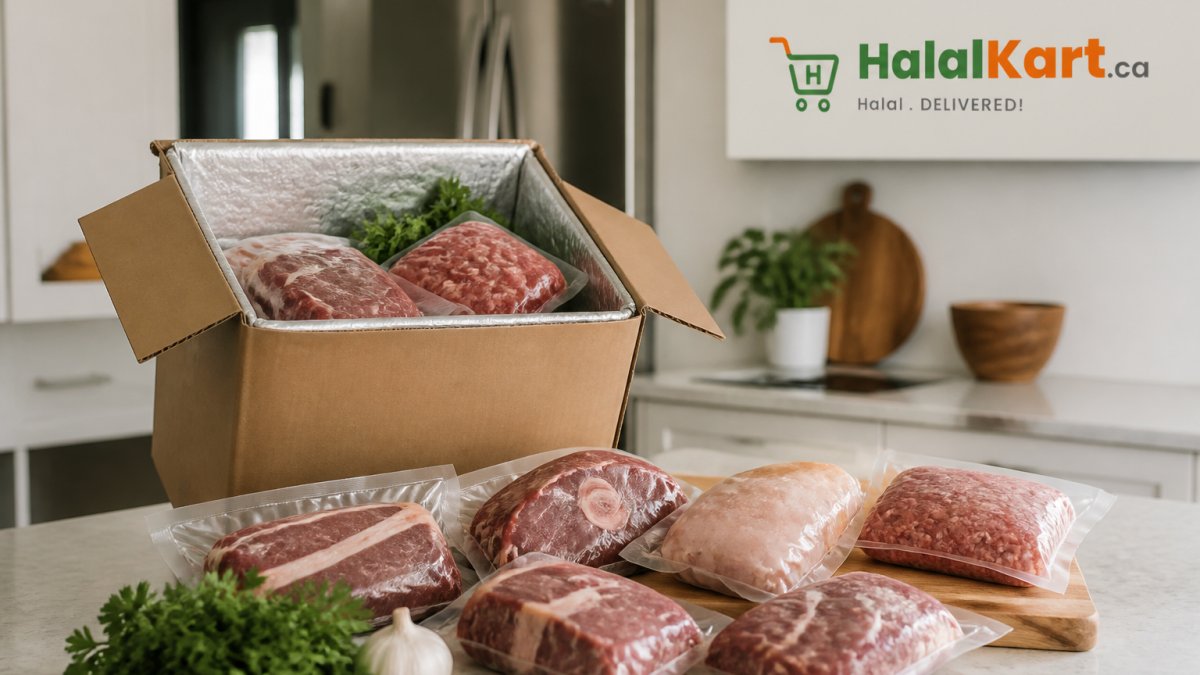
- Good packaging combines a corrugated box, insulated liner, coolant layer, and vacuum-sealed portions.
- Refrigerate fresh meat within about two hours of delivery and freeze what you won't cook soon.
- Compare total order cost divided by meals, not the per-kilogram price alone.
Table of Contents
- Why Buying Halal Meat Online Is Worth It
- The Core Benefits of Buying Halal Meat Online
- How to Verify Halal Meat Certification When You Shop Online
- Halal Meat Delivery Packaging and Cold-Chain Safety
- Organic Halal Meat Delivery Options and What They Cost
- Online Store Versus Local Butcher: A Balanced Comparison
- Storage, Freezing, and Safe Handling After Delivery
- Conclusion
- Frequently Asked Questions
Why Buying Halal Meat Online Is Worth It
Ordering halal meat online changes what used to be a weekend errand into a few taps on your phone. This guide from HalalKart covers the real benefits, the verification questions that matter, and the practical details of cold-chain delivery so you can order with confidence. For Muslim families balancing halal standards with a busy schedule, a verified online store removes the guesswork: you know what you're buying, where it came from, and when it arrives.
The Core Benefits of Buying Halal Meat Online
The advantages fall into three groups: time, quality, and peace of mind. Each one solves a different problem, and together they explain why online ordering has become a genuine alternative to the weekly shop.
Convenience, Time Savings, and Anytime Ordering
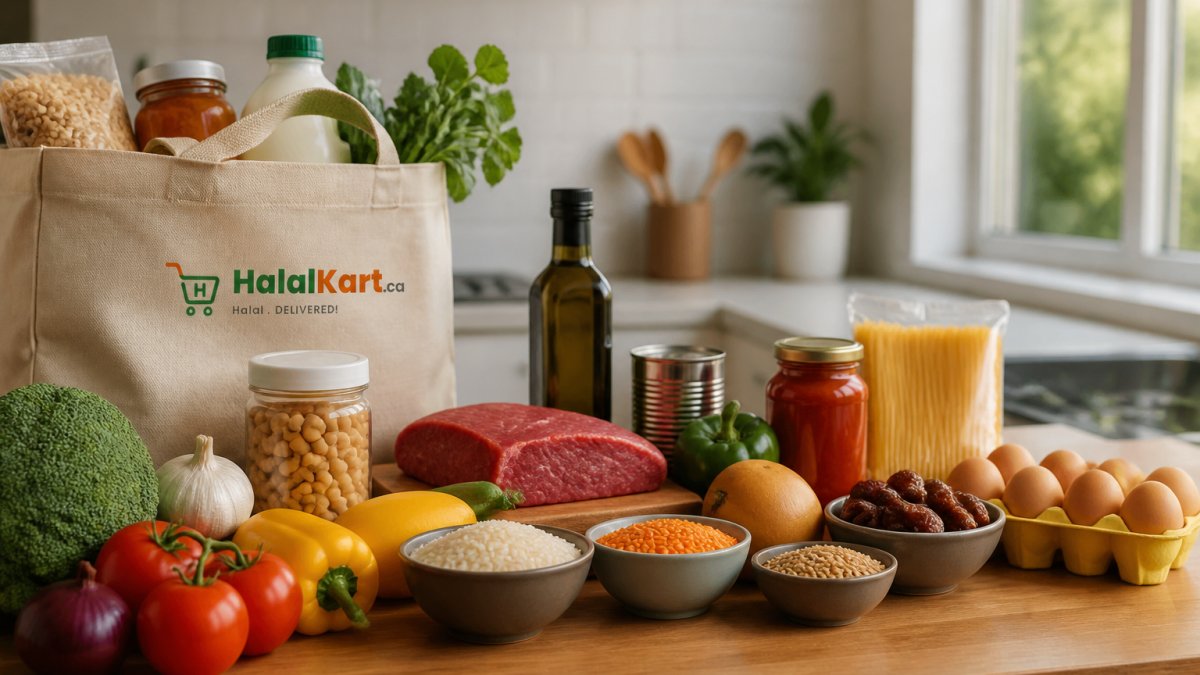
The biggest draw is convenience. You order when it suits you, not when the shop is open, and doorstep delivery removes the drive, the parking, and the queue. A common approach is to place a weekly order that covers meat and pantry staples in one go, which consolidates several trips into one. For busy professionals, that time-saving is the whole point.
Freshness, Taste, and High-Quality Cuts
A well-run online meat supplier packs to order and ships fast, so fresh meat reaches you in the same condition it left the cold room. Vacuum sealing protects flavor and texture in transit. The trade-off is real, though: you can't inspect the meat before you buy, so you rely on the seller's quality control and grading standards. Specialty cuts and meat boxes let you try favorite cuts and less common ones without hunting across town.
Ethical Sourcing, Animal Welfare, and Nutrition
Halal slaughter requirements cover both the method and the animal's welfare before it, and reputable sellers document ethical sourcing and animal welfare practices. Halal meat is also a nutrition question for many households: lean high-quality cuts fit balanced diets without added hormones or questionable additives. The key is transparency. Ask a supplier how they source, and a serious one will answer plainly.
How to Verify Halal Meat Certification When You Shop Online
Verification is where online shopping earns or loses your trust. Halal certification is a documented claim, not a label you take on faith, so check three things: which certifying body signed off, whether that body is recognized, and whether the seller can show the certificate for the specific product. At HalalKart, our 4-step verification process includes background checks, documentation reviews, and partnerships with recognized halal monitoring organizations such as HMA, ISNA, and IFANCA. We also run periodic audits and act on community feedback. That is how you close the gap left by not being able to inspect the meat in person.
- Confirm the certifying body is named on the product page
- Check that the certificate matches the exact cut and supplier
- Look for a stated audit or monitoring process
Halal Meat Delivery Packaging and Cold-Chain Safety
Cold-chain safety decides whether fresh meat arrives in good condition, and it is the part of online ordering you cannot see. Proper halal meat delivery packaging uses insulated liners, gel ice packs or dry ice, and vacuum-sealed portions so the meat stays at a safe temperature from dispatch to your door. Food safety depends on that chain staying unbroken, and on you moving the order to the fridge or freezer promptly.
What good packaging looks like
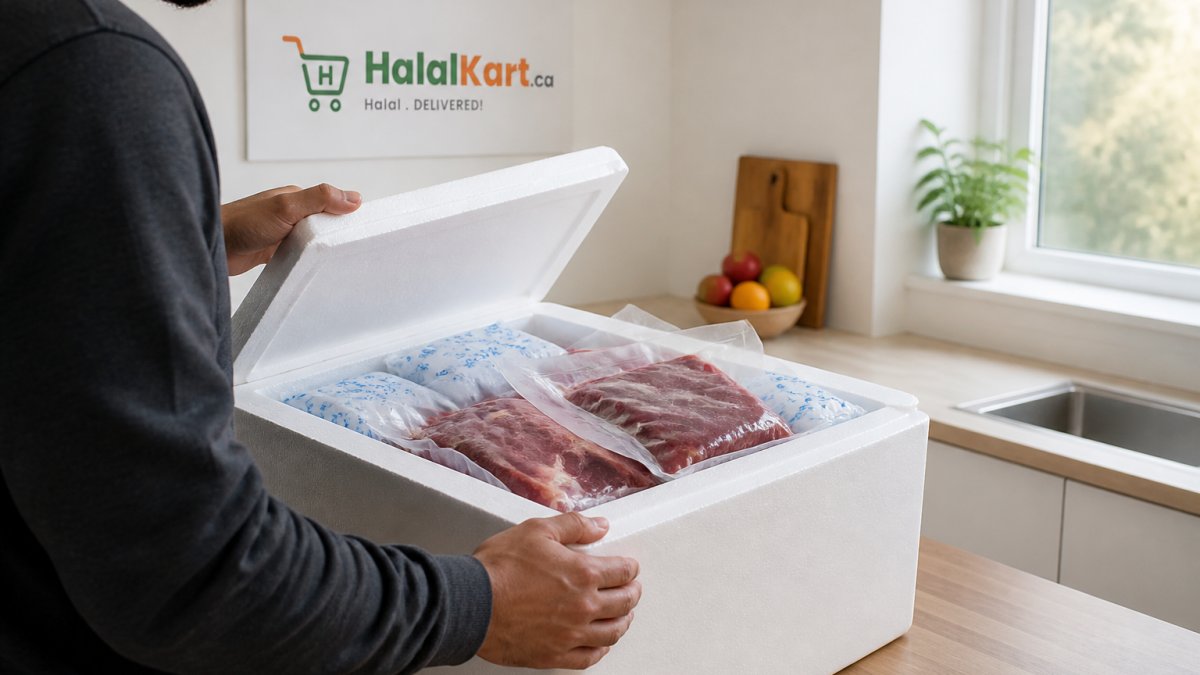
A well-packed order usually combines four layers: an outer corrugated box, a foil or bubble insulated liner, a coolant layer (gel packs for short routes, dry ice for longer ones), and vacuum-sealed portions that keep purge and odor contained. Vacuum sealing matters for halal orders in particular because it prevents cross-contact between packages and protects flavor and texture in transit. Look for absorbent pads under fresh cuts and a clear separation between raw meat and any ready-to-eat items in the same box.
Temperature control and delivery windows
Meat should stay in the safe cold zone, roughly 4°C or below for fresh product, and frozen solid for frozen items, from the cold room to your kitchen. A common pattern is next-day or two-day shipping within a regional radius, with gel packs sized for the transit time. Longer routes need dry ice, which is why some sellers restrict frozen shipping to certain areas or seasons.
Inspecting the order on arrival
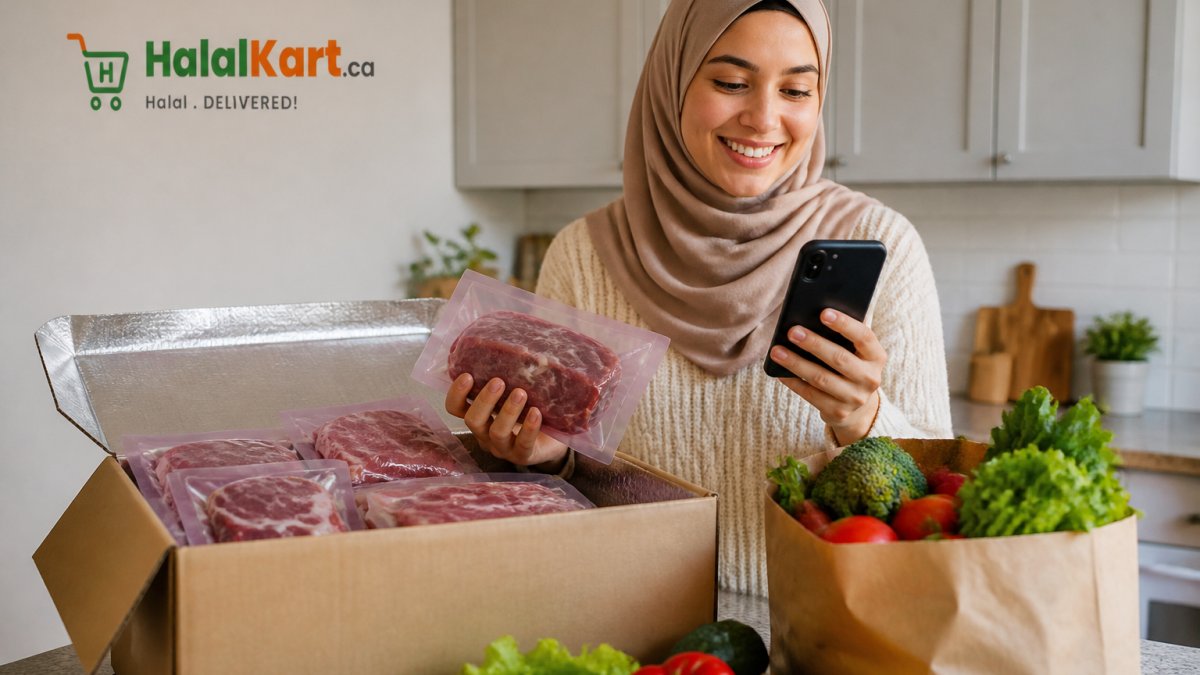
Check the box before you cook anything:
- The coolant packs are still cold or partially frozen
- The meat is firm and cold to the touch, not warm or soft
- Vacuum seals are intact, with no leaks or bloated packs
If the box arrives warm, damaged, or with broken seals, photograph it and contact the seller before cooking or freezing. Reputable sellers replace or refund compromised orders, and a prompt report protects both your food safety and your claim.
Organic Halal Meat Delivery Options and What They Cost
Organic halal meat delivery options appeal to households that want both certification and organic farming standards. Expect organic and premium cuts to cost more than conventional halal meat, because organic feed and smaller-scale farming carry higher costs. What you can control is the total order cost (see below), and whether the convenience and verification are worth the premium for your household.
Transparent Pricing and Total Order Cost
Transparent pricing means the shelf price, delivery fee, and any minimum order are all visible before you check out. Compare the total order cost, not the per-kilogram price alone, since a lower sticker price with a high delivery fee can cost more overall. A simple way to judge value: divide your total order by the number of meals it covers, then compare that to the cost of the same trip to a local butcher, including fuel and time.
| Cost factor | What to check | Why it matters |
|---|---|---|
| Product price | Per-kilogram or per-pack price | Base cost of the meat |
| Delivery fee | Flat, tiered, or free over a threshold | Can outweigh a low sticker price |
| Minimum order | Whether a basket minimum applies | Affects small households |
| Packaging | Included or added at checkout | Small but real line item |
| Total order cost | Sum of the above divided by meals | The only fair comparison |
Online Store Versus Local Butcher: A Balanced Comparison
Neither option wins outright. A local butcher lets you inspect the meat, ask questions face to face, and buy a single cut on short notice. An online store wins on selection, time, and documented verification, and it reaches households that a single butcher cannot serve. The right choice depends on your priorities: hands-on inspection versus convenience and traceable certification. Many families use both, buying specialty cuts online and topping up locally.
| Factor | Online store | Local butcher |
|---|---|---|
| Convenience | High, order anytime | Limited to opening hours |
| Inspection before buying | Not possible | Possible |
| Selection | Wide, including specialty cuts | Varies by shop |
| Verification | Documented, checkable | Ask in person |
| Delivery | Doorstep delivery | Pickup only |
Storage, Freezing, and Safe Handling After Delivery
Safe handling starts the moment the box arrives, and the first hour matters most. Refrigerate fresh meat promptly, within about two hours of delivery, and freeze what you won't cook within a few days. These habits protect both food safety and the taste you paid for.
Refrigerator and freezer timelines
As a working guide, fresh poultry and ground meat keep for about one to two days in the fridge, while larger cuts and steaks keep for three to five days. In the freezer, keep portions at roughly -18°C or colder: whole cuts hold quality for several months, ground meat and smaller portions for a shorter window. Label each package with the date so you rotate stock and use the oldest first.
Portioning and packaging for the freezer
Freeze in meal-sized portions rather than one large block, so you thaw only what you need. Wrap tightly or use vacuum bags to prevent freezer burn, press out as much air as possible, and keep raw meat on the bottom shelf of the fridge or in a dedicated freezer drawer to avoid drips onto ready-to-eat foods.
Thawing and cross-contamination
Thaw frozen meat in the fridge overnight, not on the counter (Safely defrosting foods). If you need speed, use the microwave's defrost setting and cook immediately afterward. Use a clean board and utensils for raw meat, wash hands and surfaces after contact, and never reuse a marinade that touched raw meat unless you boil it first.
Conclusion
Getting halal meat right online comes down to trust you can verify and a cold chain you can rely on. HalalKart was built for exactly that: a halal-only marketplace with a rigorous 4-step verification process, partnerships with recognized halal monitoring organizations, and continuous auditing through periodic checks and community feedback. If convenience without compromising your standards is the goal, we make it simple.
Frequently Asked Questions
Can you buy halal meat online?
Yes. Dedicated halal marketplaces and specialty butchers now sell fresh and frozen halal meat online, and many deliver to homes across Canada. The key is choosing a seller that publishes its certification and verification process. Look for a platform that names the halal monitoring organizations it works with, describes how vendors are checked, and explains how meat is packaged for shipping. That transparency is what separates a reliable halal meat online store from a generic grocery app that stocks a few halal items without documented sourcing.
How can I check whether online meat is halal-certified?
Start with the product page: a credible seller lists the certifying body, the slaughter method, and the supplier behind each cut. Then confirm the certifier is recognized, and check whether the seller audits vendors periodically rather than accepting paperwork once. Ask directly how they handle a claim that something was mislabeled. A platform with a documented multi-step verification process and ongoing audits gives you a clearer answer than a badge alone. If the certification details are missing, treat that as a reason to keep looking.
How is halal meat packaged and delivered?
Fresh halal meat should arrive in insulated packaging with enough coolant to hold a safe temperature for the whole delivery window. Vacuum-sealed cuts reduce contamination risk and freezer burn, and a clear best-before or pack date helps you judge freshness. Ask what happens if a delivery is delayed, and whether the seller ships frozen or chilled. Ordering early in the week and being home for the delivery window keeps the cold chain intact. Reputable sellers publish these packaging details before you order.
Are organic halal meat delivery options more expensive?
Organic halal meat usually costs more than conventional halal meat because of feed, land, and certification requirements, and delivery adds a separate cost on top. Rather than judging price alone, compare the total order cost: product price, delivery fee, and any minimum order. Pricing depends on the cuts, quantity, and delivery area, so check the seller's site for current figures. Buying larger cuts or meat boxes often lowers the per-kilogram cost, and consolidating a full grocery order into one delivery spreads the fee across more items.