 listicle
Benefits of Locally Sourced Halal Meat: 2026 Guide
Table of Contents
- Why Locally Sourced Halal Meat Matters for Canadian Families
- 1. Unmatched Freshness and Nutritional Value
- 2. Stronger Animal Welfare and Humane Treatment Standards
- 3. How to Verify Halal Meat Certification
- 4. Choosing a Trusted Halal-Certified Butcher
- 5. Halal Meat Freshness and Traceability: What to Look For
- 6. Environmental and Economic Impact of Buying Local
- Frequently Asked Questions
Last Updated: October 7, 2026
Why Locally Sourced Halal Meat Matters for Canadian Families
The benefits of locally sourced halal meat start with a simple fact: shorter supply chains mean fresher food, clearer oversight, and money that stays in your community. At HalalKart, we built Canada's first halal-only online marketplace around that idea, connecting families to verified local producers.
Locally sourced halal meat is meat raised, slaughtered, and processed within your region under certified halal standards, then sold close to where it was produced. That closeness changes almost everything: how fresh the product is, how quickly problems get caught, and how much you actually know about who handled your food.
Here is the part most guides skip. "Local" is not a regulated term the way "halal certified" is. A farm can call itself local and still ship product from three provinces away. So the real question is not whether a label says local, but whether you can trace the meat back to a specific farm, a specific certifier, and a specific processing date.
Below, we break down reasons local sourcing matters, how to verify certification yourself, and questions to ask any butcher or farm before you buy.
1. Unmatched Freshness and Nutritional Value
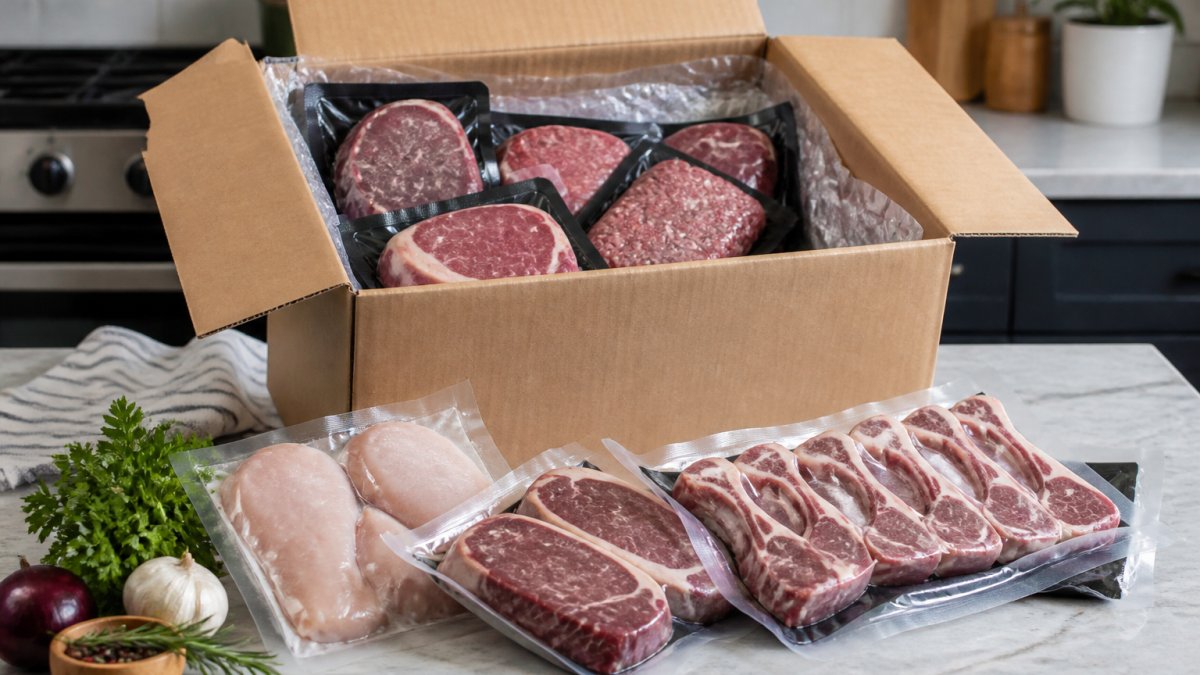
Freshness is the strongest argument for buying close to home, and it is measurable. Local meat typically moves from slaughter to your kitchen in days rather than weeks, because it skips the freezing, shipping, and thawing cycle that imported halal meat goes through.
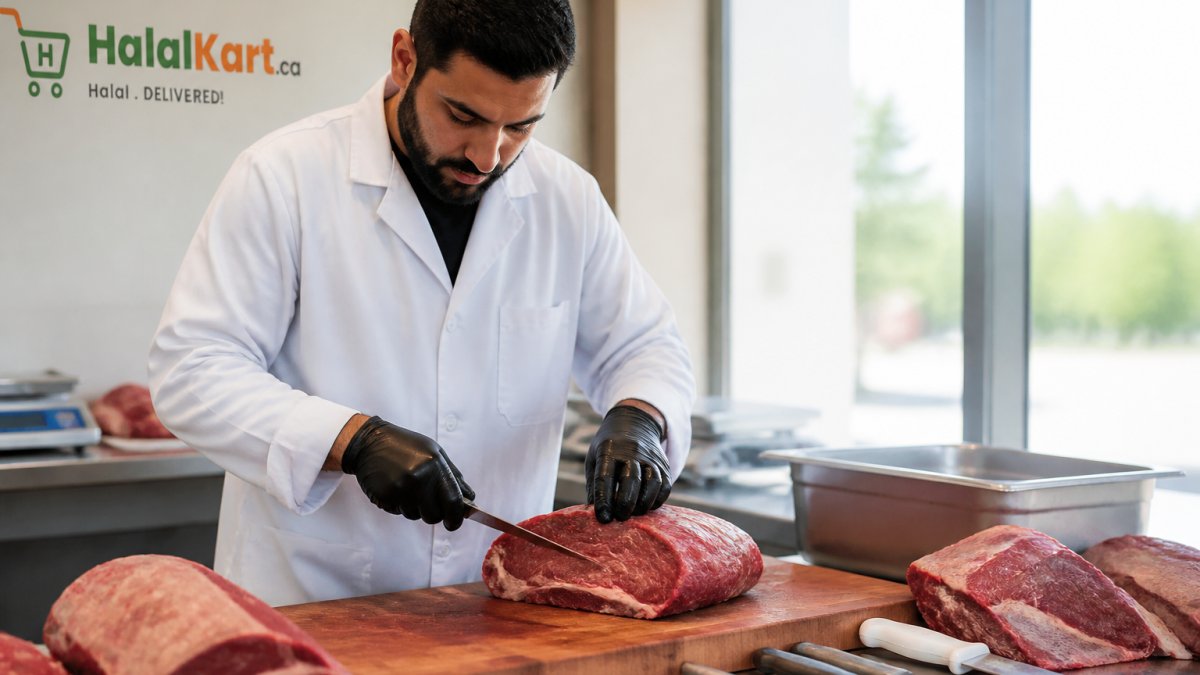
That shorter window matters nutritionally. Prolonged freezing and repeated temperature changes can degrade texture and cause moisture loss, which affects both flavor and the meat's nutrient density.
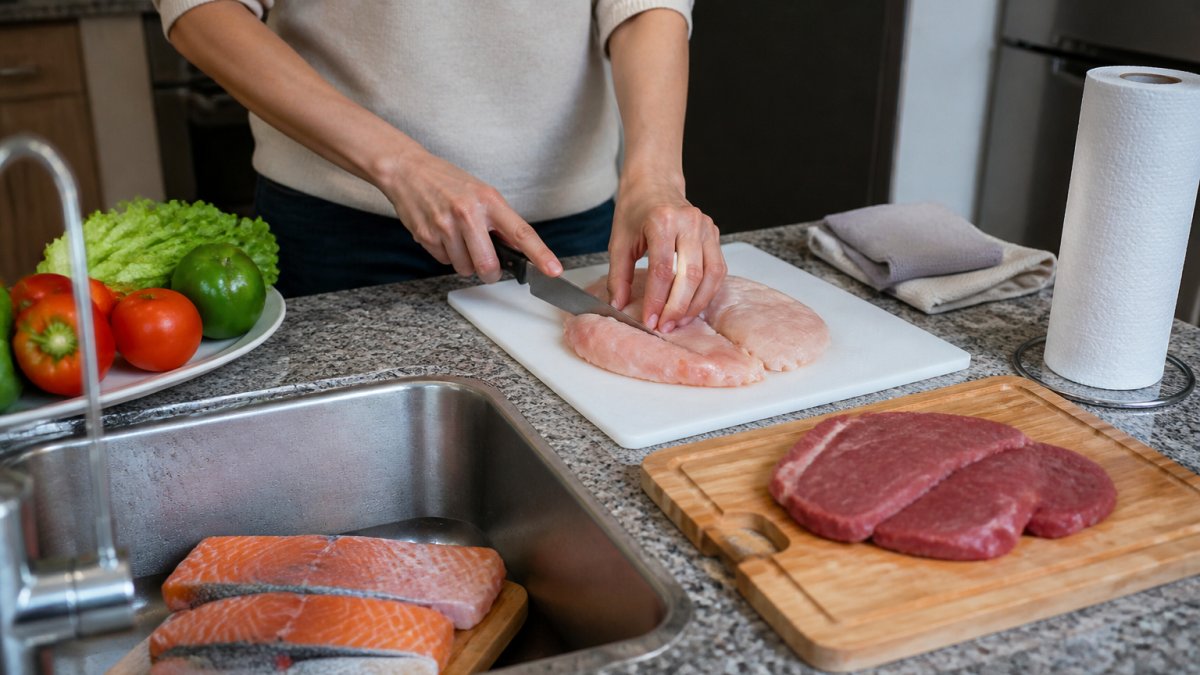
The nutritional basics of halal meat are well established. Red meat supplies protein, iron, zinc, and omega-3 fatty acids, all of which support immunity and steady energy levels. What varies is how well those nutrients survive the journey to your plate.
2. Stronger Animal Welfare and Humane Treatment Standards
Local supply chains make animal welfare easier to verify, not just easier to claim. When livestock is raised nearby, you can often visit the farm, meet the producer, and see how animals are handled before slaughter.
Halal slaughter practices already require a swift, humane method with minimal stress to the animal. Stress matters beyond ethics: animals handled poorly before slaughter release stress hormones that can affect meat quality. Farms that prioritize animal care tend to produce better meat, and they tend to be the ones willing to let you see their operation.
Ethical sourcing is harder to audit across an ocean. Imported meat passes through multiple handlers, and verifying humane treatment at each stage is close to impossible. A local farm-to-table chain collapses those stages into two or three, which is why transparency is easier to achieve.
What most guides miss: welfare claims are only as good as the certifier behind them. A farm can treat animals well and still lack documentation. Look for operations that combine good practices with recognized halal certification.
3. How to Verify Halal Meat Certification
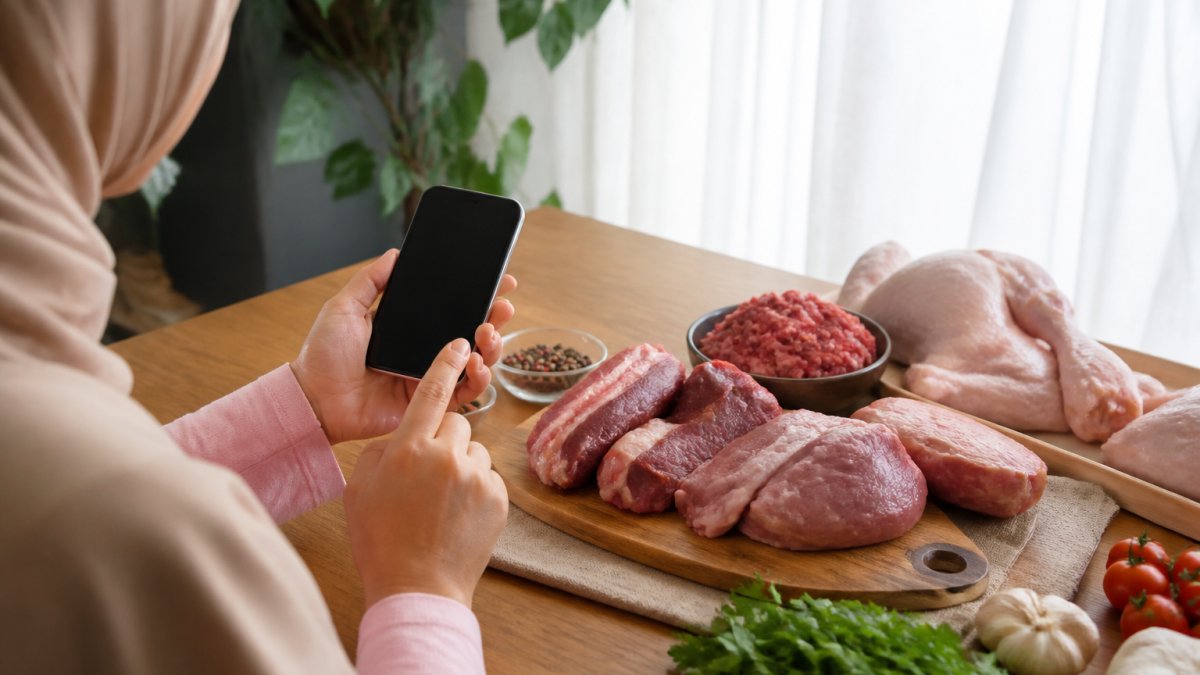
Verifying halal certification means checking three things: who issued the certificate, whether that body is recognized, and whether the certificate is current. A logo on packaging proves nothing on its own.
Halal certification is formal confirmation from a recognized monitoring organization that a product meets halal requirements at every stage, from feed and raising through slaughter and processing. In Canada, several organizations perform this work, and HalalKart partners with recognized global halal monitoring organizations including HMA, ISNA, and IFANCA to verify every vendor on our platform.
Here is how to check a certificate yourself:
- Note the certifying body's name and certificate number from the packaging or the seller
- Visit the certifier's official website and confirm the body is real and active
- Check the certificate's expiry date, since lapsed certificates are common
- Confirm the specific product or facility is covered, not just the brand
- Ask the seller for the slaughter and processing facility name
4. Choosing a Trusted Halal-Certified Butcher
A trusted halal-certified butcher does three things: shows you their certification, tells you where the meat came from, and answers questions without deflecting.
The questions below separate serious suppliers from ones trading on reputation alone. We recommend asking them directly, in person or through a platform's vendor profile.
| Question to Ask | What a Good Answer Looks Like | Red Flag |
|---|---|---|
| Who certifies your meat? | Names a recognized body, offers a certificate number | Vague or no answer |
| Which farm raised the animal? | Names a specific farm, often local | "Various suppliers" |
| What is the slaughter date? | Gives a recent, specific date | Cannot provide one |
| How is the meat stored and transported? | Describes cold chain and hygiene steps | Skips the question |
| Can I see your certification? | Shares it readily | Deflects or delays |
Transparency is the whole point of buying local, and a butcher who hides their paperwork is not giving you the confidence you are paying for.
5. Halal Meat Freshness and Traceability: What to Look For
Halal meat freshness and traceability come down to documentation. Traceability is the ability to follow a product from farm to shelf.
Look for these markers:
- A named farm or producer, not just a country of origin
- A slaughter date, not only a best-before date
- Cold chain details, covering storage and transport temperatures
- A certificate number you can check independently
- A supplier willing to answer follow-up questions
Freshness claims are where local sourcing earns its keep, but they have limits. "Fresh" can mean never frozen, or simply recently thawed. Ask which. Local meat is usually genuinely fresher because it travels less, but the term itself is not regulated, so the date on the label is what counts.
Traceability also protects you if something goes wrong. If a batch is recalled, a traced supply chain lets you know within hours whether your purchase is affected. An untraced import chain cannot do that.
6. Environmental and Economic Impact of Buying Local
Buying local cuts transport emissions and keeps money in your community. Shorter distances mean fewer transport emissions from refrigerated shipping, which is one of the more energy-intensive parts of any food supply chain.
The economic side is more direct. Money spent with local farms and butchers supports producer livelihoods, local jobs, and the local economy. It also builds community well-being, because the businesses you rely on are the ones your neighbors run.
Sustainable practices tend to travel with local operations. Smaller producers often have more flexibility to reduce waste, manage grazing responsibly, and respond to customer pressure on environmental stewardship.
Local sourcing reduces transport emissions and strengthens the local economy, but it is one factor among several. Pair it with ethical sourcing and verified halal standards for the full picture.
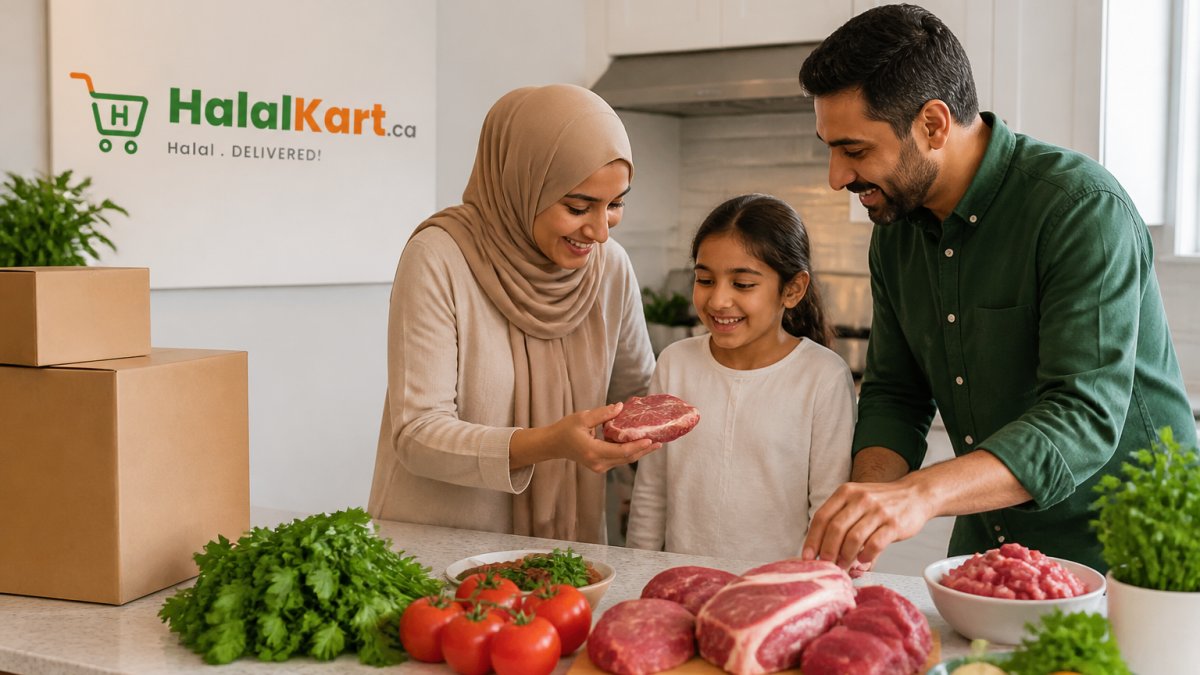
Choosing halal meat your family can trust should not require a research project every time you shop. HalalKart solves that with a rigorous 4-step verification process, background checks and documentation reviews for every vendor, and partnerships with recognized halal monitoring organizations including HMA, ISNA, and IFANCA. You get verified halal groceries and fresh meat from local artisans, delivered to your door, with the transparency you need to feel confident in every order. Get started with HalalKart and shop for your family's halal essentials with peace of mind.
Frequently Asked Questions
What are the main benefits of buying locally sourced halal meat?
Locally sourced halal meat offers several key advantages. It is often fresher because it travels shorter distances, retains more nutritional value, and supports local farmers and the economy. You also gain better traceability, allowing you to verify halal certification and animal welfare standards more directly. For families, this means greater peace of mind about both religious compliance and food quality.
Is locally sourced halal meat fresher than imported meat?
Yes, locally sourced halal meat is generally fresher. Imported meat can spend weeks in transit and storage, which may affect taste and texture. Local meat typically reaches the butcher or your table within days of processing. However, freshness also depends on proper handling and storage at every step, so always check dates and packaging.
How can I verify that meat is halal-certified?
To verify halal certification, look for a recognized certification logo on the packaging or ask the butcher for documentation. Reputable certifiers conduct audits and require adherence to specific slaughter and processing standards. You can also ask about the source farm and the slaughter method. Transparency from the seller is a strong indicator of authenticity.
What should I ask a halal butcher before buying meat?
Ask your halal butcher about the source of the meat, the certification body they work with, and their slaughter practices. Inquire about animal welfare standards and how they ensure no cross-contamination. You can also ask how they handle freshness and traceability, such as whether they can trace a cut back to a specific farm. A trustworthy butcher will welcome these questions.