 how-to
How to Verify Halal Meat Online: A Step-by-Step Guide
Table of Contents
- Why Verifying Halal Meat Online Matters
- Step 1: Check for Halal Certification Logos and Labels
- Step 2: How to Check Halal Meat Certification with Third-Party Bodies
- Step 3: Review the Supplier's Documentation and Supply Chain
- Step 4: Inspect the Ingredient List and Preparation Methods
- Step 5: Contact the Seller Directly About Cross-Contamination
- Halal Certification Bodies in Canada: Who to Trust
- Reading Halal Meat Delivery Reviews: What Signals Trust
- Frequently Asked Questions
Last Updated: October 4, 2026
Why Verifying Halal Meat Online Matters
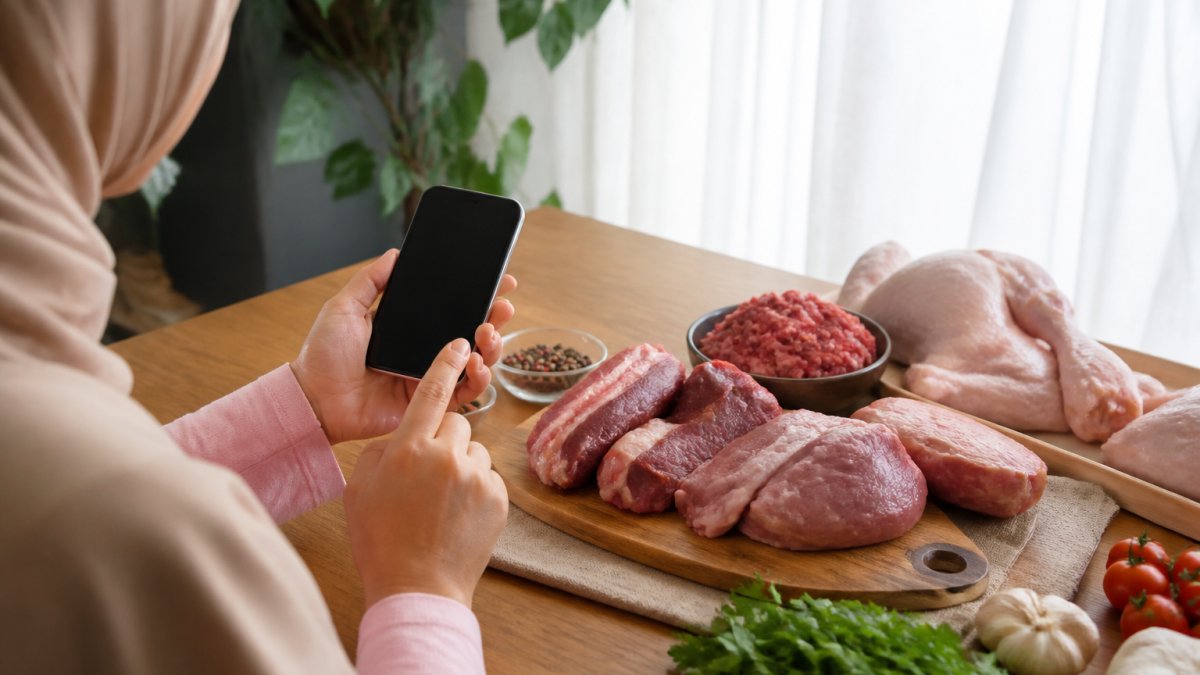
When you verify halal meat online, you need confidence because you can't inspect the product in person. Verification is essential to ensure the seller follows strict Islamic dietary laws regarding slaughter methods, ingredient sourcing, cross-contamination prevention, and certification.
Whether you shop with us or another provider, you need to know how to verify halal meat online yourself.
This guide walks you through five practical steps to confirm that the meat you're buying is genuinely halal.
Step 1: Check for Halal Certification Logos and Labels
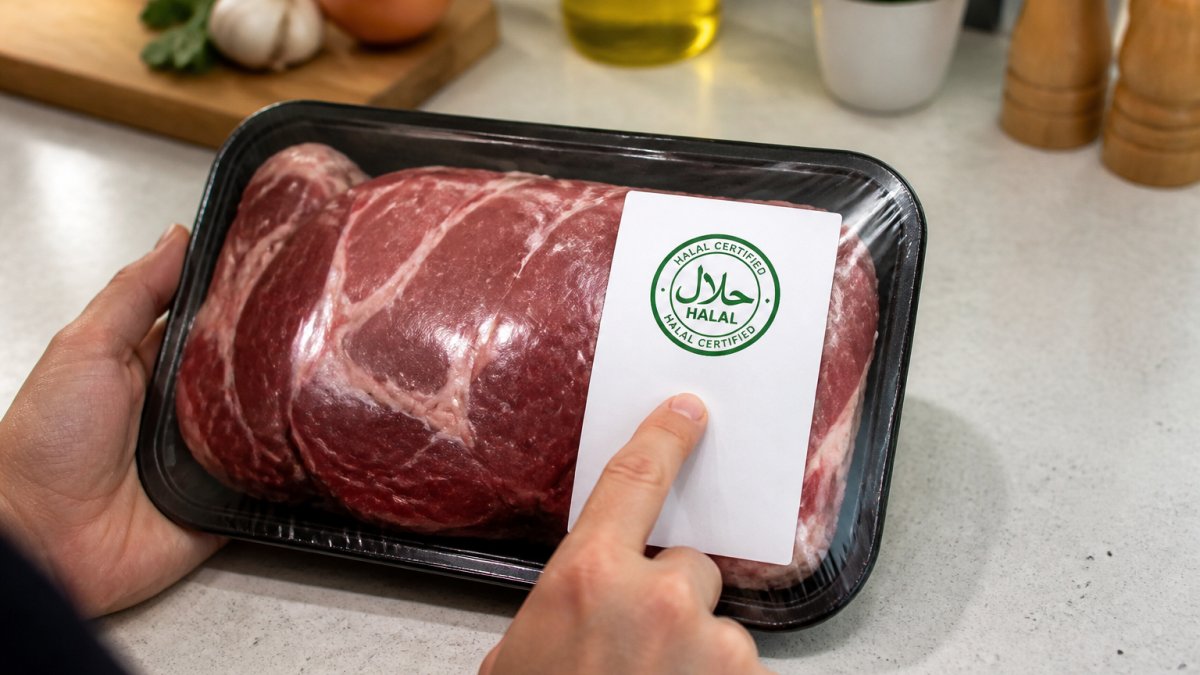
Look for a halal certification logo from a recognized body. A legitimate certification mark tells you that an audited organization has verified the product.
Recognizing authentic certification marks
In Canada, the most widely recognized certifiers include:
- Halal Monitoring Authority (HMA), Features a circular or shield-shaped logo with "HMA" initials and a registration number that can be cross-referenced on their database.
- Islamic Society of North America (ISNA), Uses a crescent-and-star design with "ISNA CERTIFIED HALAL" text.
- Muslim Council of Britain (MCB) Halal Standard, Recognizable by a green crescent with "MCB" lettering.
- Local mosque or Islamic council certifications, Regional bodies may use custom logos if the mosque or council is established and recognized in your community.
A genuine halal logo typically includes the organization's name or initials, a registration or certification number, contact information for the certifying body, and professional design with consistent branding.
How to verify a logo you're unsure about
Take a screenshot of the certification mark and:
-
Search the certifier's official website, Visit the certifier's domain directly and look for a "verify certification" search tool. Enter the product name, brand, or certification number to confirm it's current.
-
Cross-check the logo design, Compare the screenshot against the certifier's published logo guidelines. If the logo differs in color, font, or layout, it may be counterfeit.
-
Verify the certification number, Search for it on the certifier's website or call them directly. A real number will return a specific product record.
-
Check for security features, Some certifiers include QR codes that link to a verification page.
What to avoid: 'Halal-style' and unverified claims
Avoid vague language like "halal-style," "prepared using halal methods," or "halal-friendly", these carry no verification. Also avoid products with generic "halal" text, homemade logos, or no certifier name visible. A certification logo means an independent, audited organization verified the product; a text claim means the seller said it themselves with no third-party oversight.
Step 2: How to Check Halal Meat Certification with Third-Party Bodies
A certification mark on the label is a starting point. The next step is to verify that certification directly with the certifying organization.
Verifying certification through official databases
Most major halal certification bodies maintain online databases searchable by product name, seller name, or certification number. Visit the certifier's official website and look for a "verify certification" section. If the product doesn't appear in the database, contact the certifier directly to clarify.
Contacting certification bodies directly
Email or call the certification body with the product name, certification number, seller name, and a photo of the logo. Ask them to confirm the product is currently certified, what slaughter methods were used, and any restrictions.
Step 3: Review the Supplier's Documentation and Supply Chain
Halal certification covers more than just the final product. It covers the entire supply chain, from the farm to your door.
Understanding traceability and audited facilities
A reputable online seller should be able to tell you where the animal was raised, which slaughterhouse processed the meat, how it was stored and transported, and whether the facility handles non-halal products. This demonstrates supply chain transparency and understanding of halal requirements.
Requesting supplier credentials before purchase
Before ordering, email the seller and ask for halal certification documents, slaughterhouse information, cold-chain details, and food safety compliance proof. If a seller refuses or claims it's proprietary, that's a red flag.
Step 4: Inspect the Ingredient List and Preparation Methods
Even if the meat itself is halal, additives and preparation methods can create problems.
Identifying prohibited additives and animal by-products
Check the ingredient list for gelatin, collagen, alcohol-based additives, non-halal enzymes, and non-halal broths or stocks. Ask the seller for a complete ingredient breakdown if needed.
Confirming halal slaughter methods and dhabihah compliance
Ask the seller if the slaughterhouse uses dhabihah methods, recites prayers during slaughter, has a Muslim supervisor present, and holds dhabihah certification. A seller who can't answer these questions doesn't understand halal requirements.
Step 5: Contact the Seller Directly About Cross-Contamination
Cross-contamination is a real concern. Even if the meat is halal, it can become non-halal if it touches non-halal products during handling or storage.
Questions to ask about handling and storage
Ask the seller if they store halal and non-halal meat separately, use dedicated equipment, maintain proper temperatures during delivery, and have cross-contamination protocols. A detailed response shows they take halal seriously; a vague answer suggests weak protocols. Also ask about delivery timing, meat should arrive frozen or properly chilled.
Halal Certification Bodies in Canada: Who to Trust
Canada has several recognized halal certification organizations. Not all carry equal weight.
Major monitoring organizations and their credibility
The Halal Monitoring Authority is one of the most recognized certifiers in Canada. They conduct regular audits and maintain strict standards.
Other established bodies include regional Islamic councils and mosque-affiliated certifiers. These organizations have:
- Published certification standards
- Regular audit schedules
- Clear contact information
- Online databases or verification systems
How to verify a certifier's legitimacy
Before trusting a certification logo, verify the certifier itself. Check:
- Does the organization have an official website?
- Can you find contact information?
- Do they publish their certification standards?
- Are they mentioned by other halal retailers or community organizations?
A quick search or call to your local mosque can confirm whether a certifier is recognized in your community.
Reading Halal Meat Delivery Reviews: What Signals Trust
Customer reviews reveal what a seller actually delivers.
Red flags in customer feedback
Be cautious of reviews that mention:
- "The meat arrived spoiled, discolored, or with an off smell"
- "The seller couldn't answer questions about certification or slaughter methods"
- "The product didn't match the label description or weight"
- "I received non-halal items mixed in with halal ones"
- "The seller ignored my questions about sourcing or cold-chain handling"
- "The packaging was damaged and the meat thawed during delivery"
- "No certification documentation was included with the order"
Also watch for fake reviews.
What authentic verification looks like in reviews
Trustworthy reviews include:
- Specific product details, Taste, freshness, texture, marbling, and how the meat performed when cooked
- Cold-chain confirmation, "Arrived frozen solid," "ice packs kept everything at proper temperature," or "packaging was insulated and sealed"
- Certification transparency, "Certification documents were included," "seller provided slaughterhouse details," or "I was able to verify the HMA number on their website"
- Delivery condition, Arrival time, packaging integrity, and whether the meat was still properly frozen or chilled
- Seller responsiveness, "Seller answered my halal questions within 24 hours," "provided supply chain details without hesitation," or "sent certification copies before I ordered"
- Repeat purchasing, Customers who order multiple times and mention consistency signal reliability
Verification-specific criteria for online meat sellers
When reading reviews, look for mentions of these halal-specific practices that distinguish trustworthy online sellers:
Certification documentation:
- "Seller included halal certification with the shipment"
- "Certification number was provided so I could verify it myself"
- "Seller sent certification documents before I placed my order"
Supply chain transparency:
- "Seller told me the exact slaughterhouse and provided their certification"
- "I was given details about where the animals were raised and processed"
- "Seller explained their dhabihah compliance and Muslim supervision practices"
Cold-chain and cross-contamination control:
- "Meat arrived in dedicated halal packaging, separate from other items"
- "Seller uses insulated boxes with ice packs; meat stayed frozen for 2+ days"
- "Packaging clearly labeled 'halal' and sealed to prevent cross-contamination"
- "Seller explained how they prevent halal/non-halal product mixing in their warehouse"
Accountability and follow-up:
- "Seller followed up after delivery to confirm satisfaction"
- "If there was an issue, seller resolved it quickly and offered a refund"
- "Seller provided a contact for questions about the product or certification"
How to spot review patterns that indicate reliability
Don't rely on a single review. Look for patterns across multiple reviews:
- Consistency of certification claims, 2. Frequency of cold-chain complaints, 3. Response to negative reviews, 4. Verification of reviewer identity, 5. Recency of reviews, ### Using review platforms strategically
Different platforms reveal different information:
- Google Reviews, Often include photos of the product and packaging. Look for images showing certification logos, packaging condition, and product quality.
- Retailer-specific reviews (on the seller's website), May be curated, but they often include detailed Q&A where customers ask about halal verification. Read the seller's responses to these questions.
- Social media and community forums, Facebook groups for halal consumers or local community pages often have candid discussions about online meat sellers. These are less filtered than official reviews.
- Mosque or Islamic council recommendations, Ask your local imam or Islamic center if they have a list of trusted halal meat suppliers. Community endorsements carry weight.
Frequently Asked Questions
How can I verify if an online meat supplier is truly halal-certified?
Start by checking for third-party certification logos on the product or supplier website. Then contact the certification body directly using their official database or phone number to confirm the supplier's status. Request documentation of audits and compliance reports. Legitimate suppliers will provide traceability information showing their supply chain and slaughterhouse credentials. Cross-reference the supplier's claims with recognized halal monitoring organizations in Canada.
What should I look for on a product label to confirm it is halal?
Look for official certification marks from recognized bodies, not just the word 'halal' printed without a logo. The label should identify the certifying organization and include a certification number. Check the ingredient list for prohibited additives and animal by-products. Avoid labels that say 'halal-style' or 'halal-inspired,' as these indicate the product is not certified. Verify that the slaughter method complies with dhabihah standards.
Are there specific Canadian halal certification bodies I should trust?
Yes. Recognized halal certification bodies in Canada include organizations that maintain rigorous audit protocols and transparent documentation. When evaluating any certifier, verify their legitimacy by checking if they conduct third-party audits of facilities and maintain updated databases of certified suppliers. Always confirm a certifier's credentials before trusting their mark.
What are the red flags to watch for when buying halal meat online?
Avoid suppliers who cannot provide certification documentation or refuse to share supply chain details. Be wary of vague labeling, missing certification logos, or claims like 'halal-style' without official certification. Red flags include suppliers unwilling to answer questions about cross-contamination protocols, lack of transparent audit history, and customer reviews mentioning inconsistent product quality or unverified sourcing. Legitimate suppliers will readily provide traceability documentation and third-party audit results.