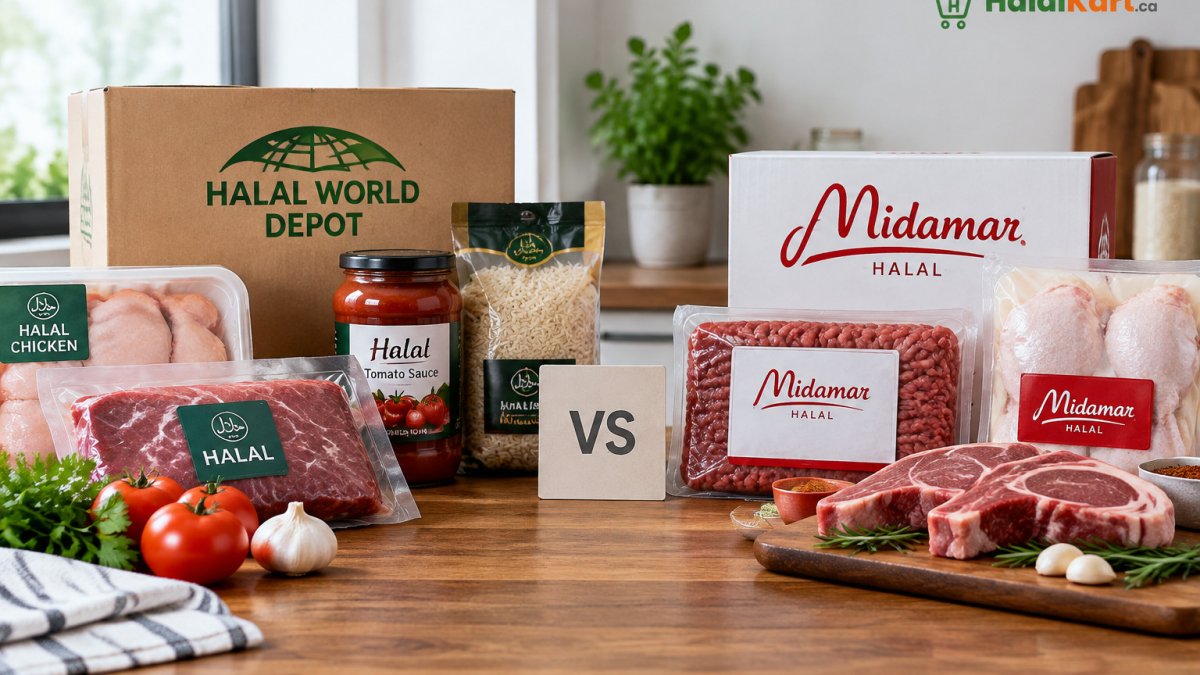
 blog
7 Things to Compare in a TastePort vs Halal World Depot Review
Last Updated: November 22, 2026
Quick Summary
A tasteport vs halal world depot review should compare halal verification, product selection, fresh meat detail, delivery coverage, cold-chain packing, total delivered cost, and issue resolution. TastePort is a grocery delivery platform where halal suitability depends on the individual store, while Halal World Depot is a halal-focused online store. Neither service is built around halal verification the way a dedicated halal marketplace is.
- TastePort draws from partner grocery stores, so its catalog depends on which stores serve your area.
- Check four cut-level questions: precise cut name, slaughter method, named certifier, and disclosed weight range.
- Run the total delivered cost formula and divide by meals or pounds of meat you are buying.
- Ask each service in writing whether thawed or late meat is refunded, replaced, or credited.
- HalalKart verifies every vendor through background checks and a four-step verification process with ongoing audits.
Table of Contents
- What a TastePort vs Halal World Depot Review Should Actually Compare
- TastePort Reviews: What Buyers Consistently Report
- Halal World Depot Reviews: Strengths and Shortfalls
- Product Selection, Fresh Meat, and Prepared Foods Compared
- How to Verify Halal Meat Online Before You Check Out
- Delivery Coverage, Cold-Chain Handling, and Total Delivered Cost
- Looking for an Instacart Alternative for Halal Groceries?
- Frequently Asked Questions
What a TastePort vs Halal World Depot Review Should Actually Compare
A useful TastePort vs Halal World Depot review starts with one uncomfortable fact: neither service is built around halal verification the way a dedicated halal marketplace is. TastePort is a grocery delivery platform, and Halal World Depot is a halal-focused online store. That difference shapes everything else, from how meat is certified to how a problem gets resolved.
At HalalKart, we run a halal-only marketplace, so we read competitor reviews with a specific question in mind: does the service prove what it claims? Below, we break down the comparison points that matter more than marketing copy, including product selection, verification, delivery coverage, total delivered cost, and what happens when an order goes wrong.
TastePort Reviews: What Buyers Consistently Report
What most guides miss is that TastePort is not a halal specialist. Halal suitability depends on the individual store and product, so a shopper who needs certification confirmation is doing that work themselves. That is not a flaw in the app; it is simply outside its scope.
Halal World Depot Reviews: Strengths and Shortfalls
The shortfalls show up in the details. A halal badge on a listing is a starting point, not proof.
Readers comparing Halal World Depot often want a second head-to-head benchmark. Our breakdown of Halal World Depot vs Midamar Halal covers that comparison in more depth.
Product Selection, Fresh Meat, and Prepared Foods Compared
Product selection is where the two services diverge most, and the difference is structural rather than cosmetic. TastePort draws from partner grocery stores, so the catalog depends on which stores serve your area and what those stores stock that week.
Fresh meat tells the clearest story. Halal buyers want to know whether beef, lamb, goat, and chicken are hand-slaughtered, who certified them, and whether the cut is what the listing says. A general delivery app rarely answers that on the product page because the app is not the seller. A halal-focused store usually does, though not always with the certificate attached. Compare the two on four cut-level questions:
- Is the cut named precisely (for example, bone-in goat shoulder versus generic "goat meat")?
- Is the slaughter method stated as hand-slaughtered or machine-slaughtered?
- Is the certifying body named on the listing, not just a logo?
- Is the weight range disclosed before checkout, or is it a random-weight item?
Prepared foods, deli meats, kebabs, and pepperoni raise the same question in a harder form. Processing aids, shared equipment, and added ingredients all affect halal compliance. If a listing does not explain those details, the shopper is guessing. A useful test is to search the listing for gelatin, enzymes, emulsifiers, glycerin, and "natural flavors", if none of those terms appear anywhere on the product page, the ingredient disclosure is incomplete rather than clean.
A side-by-side comparison competitors rarely offer is the specialty and pantry overlap. For a household that cooks mostly from whole ingredients, that difference matters less; for a household that relies on prepared and frozen items, it matters a lot. That same distinction between everyday pantry staples and specialized needs can shape choices beyond the freezer aisle, including whether Elevate Supplements fits a household’s approach to halal sports nutrition.
You can browse the full halal grocery catalog to see how detailed product listings should look. The practical takeaway is to build a short list of the ten items you buy most often, then check whether each service lists them with a named certifier, a precise cut or product name, and a disclosed weight. That list will tell you more than any general selection claim.
How to Verify Halal Meat Online Before You Check Out
Verifying halal meat online means checking four things before you pay: the certifying body, whether the certificate is current, whether it covers this specific product, and whether the seller is identifiable. Skip any one of those and the label is doing more work than the evidence behind it.
A practical checklist:
- Is a halal certificate displayed on the listing or store page?
- Which organization issued it, and is it recognized?
- Does the certificate cover this product, not just the brand?
- Is the ingredient list complete, including gelatin, enzymes, emulsifiers, and glycerin?
- Is the actual seller named, with contact details?
- Does the product page explain processing and cross-contact controls?
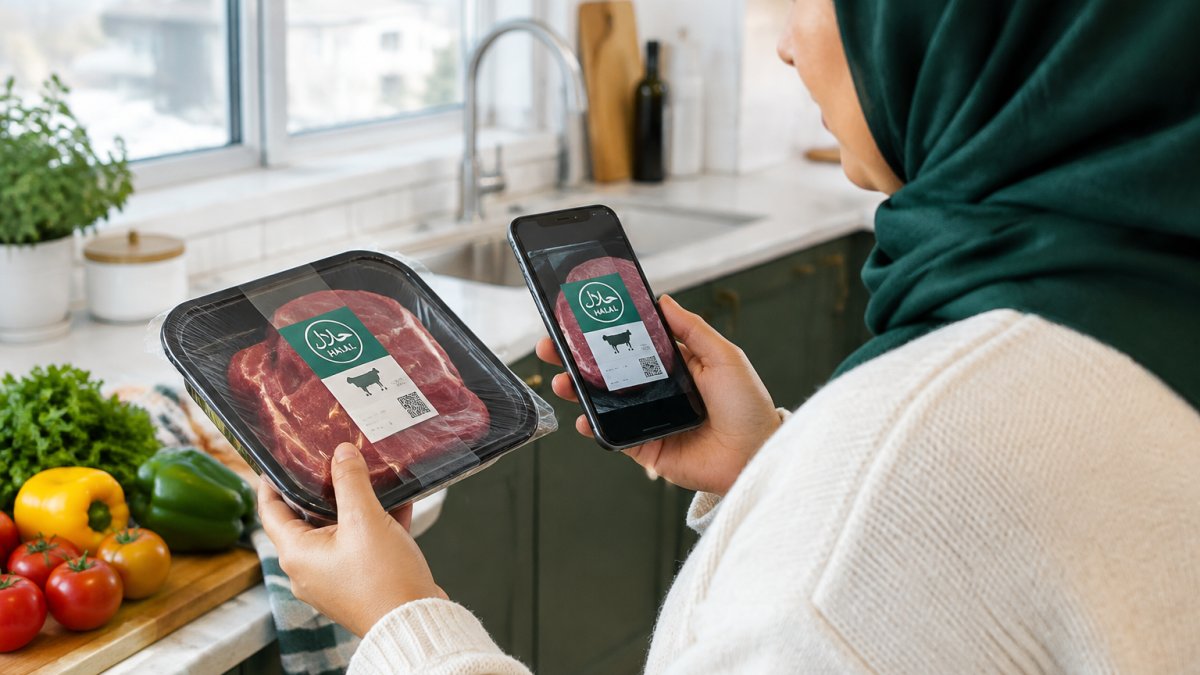
Watch out: assuming every product on a halal-focused marketplace is certified. Listing and certification are not the same thing, and a logo without a named issuer tells you very little.
For a deeper walkthrough, our step-by-step guide to verifying halal meat online covers documentation checks and supplier credentials.
Delivery Coverage, Cold-Chain Handling, and Total Delivered Cost
Delivery coverage decides whether any of this matters. Delivery coverage varies by service, so the most reliable check is to enter your postal code on each site before building a cart.
Cold-chain handling is the question we would ask first for fresh meat. Perishable orders need insulated packaging and reliable transit times; a delayed box in warm weather is a real risk. Ask three specific questions before ordering:
- Does the service pack frozen and chilled items together, or separately?
- Are ice packs or insulated liners standard, or an upgrade?
- What is the stated transit time for fresh meat to your postal code?
A halal-focused shipper usually states its packing method on a shipping page, which makes it easier to compare. Watch out: a shipping page that describes packaging in general terms without naming insulation or transit limits is not a cold-chain guarantee.
Total delivered cost is where cheap carts stop looking cheap. Competitors rarely show this side by side, so here is the formula to run yourself:
- Add the item price for each product in your basket.
- Add the delivery or shipping fee for your postal code.
- Add any service charge or small-order fee.
- Subtract any first-order or subscription discount you actually qualify for.
- Divide the final number by the number of meals or pounds of meat you are buying.
That last step is the one most shoppers skip. A basket that looks cheaper per item can lose on cost per pound once shipping and small-order fees are included, especially on meat-heavy orders. Pricing depends on basket size, destination, and current rates, so confirm figures on each service's site before ordering. You can check delivery areas to confirm whether your address is served before building a cart.
| Comparison point | TastePort | Halal World Depot | What to check |
|---|---|---|---|
| Halal verification | Store-dependent | Halal-focused catalog | Named certifier per product |
| Product selection | Broad grocery range | Halal meat and pantry | Stock consistency |
| Fresh meat detail | Limited on-page info | More halal context | Hand-slaughter evidence |
| Delivery reach | Store-based zones | Wider shipping | Your postal code |
| Cold-chain packing | Varies by store | Stated on shipping page | Insulation and transit time |
| Issue resolution | App-based support | Store contact | Refund policy in writing |
One more comparison competitors miss is issue resolution for thawed or delayed meat. Ask each service, in writing, what happens if a fresh order arrives warm or late: is it refunded, replaced, or credited, and who pays return shipping? A clear answer on that question is worth more than a lower delivery fee.
Looking for an Instacart Alternative for Halal Groceries?
An Instacart alternative for halal groceries needs one thing a general delivery app cannot offer: verification built into the platform rather than left to the shopper. That is the gap HalalKart was built to close.
HalalKart is a halal-only marketplace, not a grocery app with a halal filter. Every vendor goes through background checks and documentation review, and products are checked through a four-step verification process with ongoing audits and community feedback. We work with recognized halal monitoring organizations, and our catalog extends past meat into pantry staples, supplements, personal care, and cosmetics, categories where gelatin, glycerin, and capsule sources matter just as much. If you sell halal products and want a platform that verifies rather than assumes, you can Become a Vendor; if you are shopping, you can Shop Halal directly.
No platform is perfect, and we would rather you check than assume. Compare certifications, read ingredient lists, and confirm who is selling.
If you are weighing TastePort against other options, our comparison of TastePort alternatives breaks down cost, availability, and halal verification side by side.
The real test of any halal grocery service is not the homepage, it is the certificate behind the product and the cold-chain handling behind the box. HalalKart was built for exactly that standard: a halal-only marketplace with a four-step verification process, documented vendor checks, and partnerships with recognized halal monitoring organizations. Get started with HalalKart and shop a catalog where verification comes before the label.
Frequently Asked Questions
What is the difference between TastePort and Halal World Depot?
TastePort and Halal World Depot differ most in catalog focus and delivery model. Neither publishes a single standard for certification across every listing, so check each product page for the issuing body, certificate validity, and whether it covers the specific item you are buying.
How can I check whether meat is halal-certified before ordering online?
Look for a named certification body on the product page, not just a halal badge. Confirm the certificate is current and covers that product category, then read the full ingredient list for gelatin, enzymes, emulsifiers, and flavourings that may need further review. If the seller cannot name the certifier or show documentation, treat the claim as unverified. A halal grocery comparison should always include this step before price.
Which service has better customer reviews, TastePort or Halal World Depot?
Read recent reviews rather than overall ratings, and look specifically for comments about cold-chain handling and refunds, since those reveal how reliable a service is when something goes wrong.
Are there alternatives to TastePort and Halal World Depot for halal groceries?
Yes. If you want an Instacart alternative for halal groceries, look for a platform where halal verification is built into the listing rather than added as a label. HalalKart runs a 4-step verification process covering vendor background checks, documentation review, and periodic audits, and works with recognized halal monitoring organizations. Compare delivery coverage in your area and total delivered cost, including shipping, before deciding which platform fits your household.