 Ultimate guide
Is It Safe to Order Meat Online? A Canadian Buying Guide
Last Updated: November 19, 2026
Quick Summary
Yes, it is safe to order meat online when the cold chain holds from the vendor's cooler to your door. A properly shipped order arrives frozen solid or fridge-cold with an intact vacuum seal and no off smell. Check the seller's packaging, transit time and refund policy before you buy.
- Get delivered meat into the fridge or freezer within two hours of arrival.
- Keep raw meat on the bottom shelf in a tray so drips cannot reach ready-to-eat food.
- Thaw frozen meat in the refrigerator, never on the counter or in hot water.
- Cook or freeze fresh poultry and ground meat within a day or two of arrival.
- If meat arrives warm or the seal has failed, photograph it and contact the seller the same day.
Table of Contents
- How Online Meat Delivery Keeps Perishable Goods Cold
- CFIA Meat Safety Regulations for Online Retailers
- What to Check Before You Order Meat Online
- How to Store Meat Delivered by Mail
- Signs of Spoiled Meat and What to Do Next
- Organic Halal Meat Delivery Options and What They Cost
- Shipping Insurance, Refunds and the Real Cost of Convenience
- Start With a Small HalalKart Order and Check the Certificate
- Frequently Asked Questions
How Online Meat Delivery Keeps Perishable Goods Cold
Is it safe to order meat online? Yes, when the cold chain holds from the vendor's cooler to your door. That is the whole game. Everything else, the packaging, the courier, the delivery window, is machinery built around one goal: keeping perishable goods below the temperature where bacteria multiply. This guide from HalalKart walks through what actually protects your order, what to check before you buy, and what to do the moment the box lands.
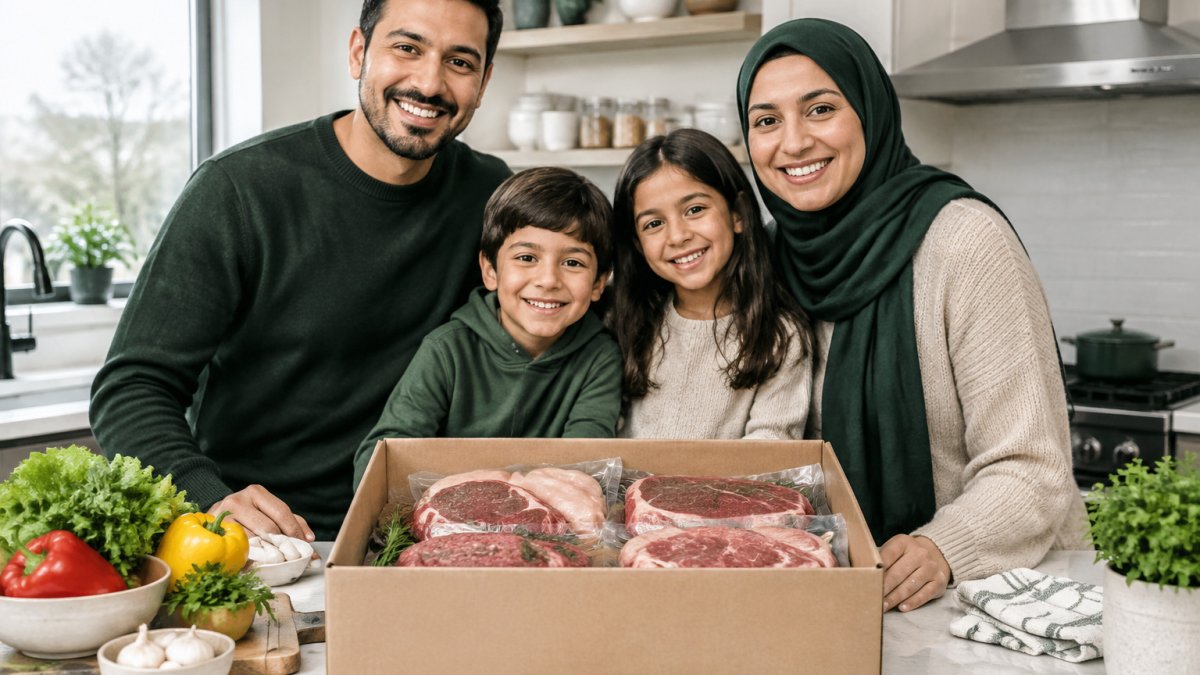
The short answer is that a properly shipped order is safe. The longer answer depends on packaging integrity, transit time and whether anyone was home when the courier knocked.
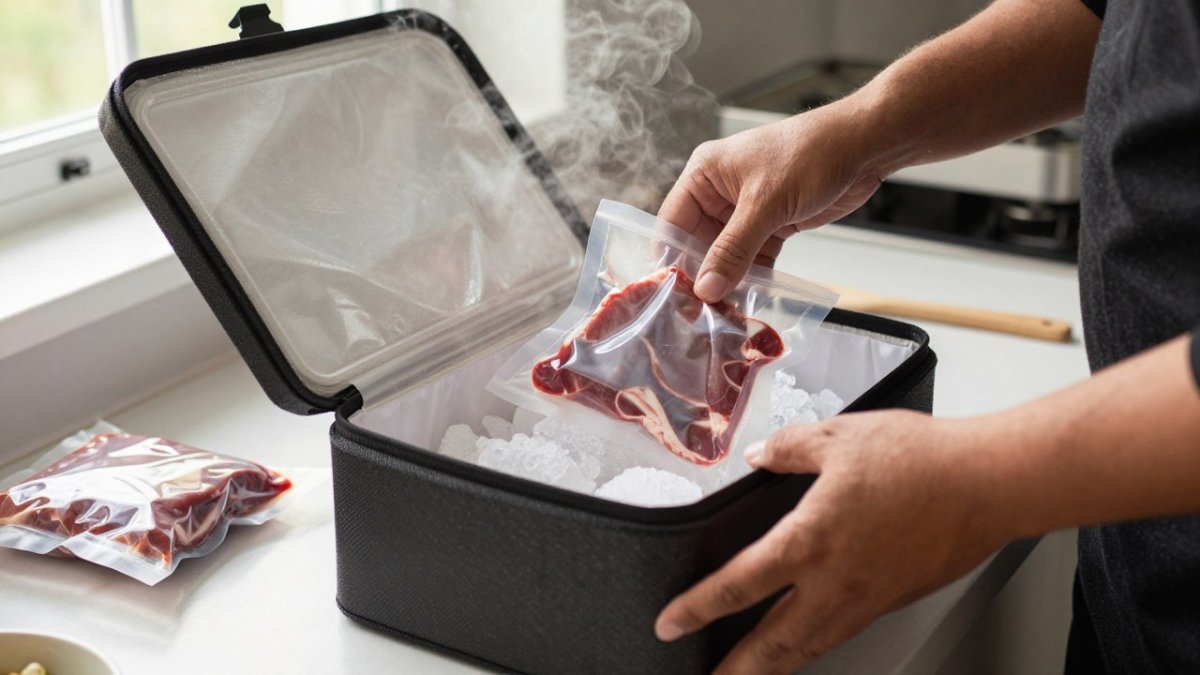
Insulated Packaging, Dry Ice and Vacuum-Sealed Cuts
Keeping perishable meat cold in transit depends on the packaging and cooling method the seller uses. Ask the seller to describe how the order is packed and how long it will hold temperature.
When the packaging is intact and the meat is frozen solid or chilled on arrival, that is a good sign the cold chain survived the trip.
Shipping Transit Time and the Delivery Window
Shipping transit time is the variable you control least and should check most. Ask the vendor how orders ship, what the expected delivery window is, and whether shipments are scheduled to avoid sitting in a depot over a weekend.
Watch out: a box that arrives on a warm afternoon and sits on a porch for hours is where good logistics quietly fail. Arrange delivery for a day you will be home.
CFIA Meat Safety Regulations for Online Retailers
Online meat sales fall under federal rules. The Canadian Food Inspection Agency regulates meat processing and import, and federally inspected establishments must operate under a written preventive control plan, with requirements set out in the Safe Food for Canadians Regulations. A vendor selling meat across provincial lines should be able to tell you which establishment processed the product and under what inspection.
That is the practical test. A reputable seller answers these questions without hesitation:
- Which federally registered establishment processed this meat?
- Who issued the halal certificate, and does it cover this specific product?
- How is the order packed, and what is the expected transit time?
Traceability is the thread that ties it together. If a vendor cannot trace a cut back to a processor and a certificate, the safety claim is decoration.
What to Check Before You Order Meat Online
Before you order meat online, verify four things: certification, the seller's identity, the ingredient and handling details, and the shipping terms. A halal label alone proves nothing; the certificate behind it does.
Certification, Traceability and Reputable Butchers
Ask who issued the halal certificate, whether it is current, and whether it covers the exact product you are buying. Certification bodies differ in standards and scope, so the issuing organization matters as much as the logo. At HalalKart, we run every vendor through a four-step verification process covering documentation, background checks and periodic audits, and we partner with recognized monitoring organizations. Not every product on a halal-focused marketplace is certified, though, so read the listing.
A common mistake is assuming a familiar brand name guarantees a halal-compliant supply chain. Check the certificate, not the reputation. For a walkthrough of what to inspect on a label and how to confirm supplier credentials, see our guide on how to verify halal meat online.
How to Store Meat Delivered by Mail
Get the order into the fridge or freezer within two hours of delivery. That single habit prevents most post-delivery problems. Keep raw meat on the bottom shelf, in a tray, so drips cannot reach ready-to-eat food (Safe food storage).
Thawing, Shelf Life and Cross-Contamination
Thaw frozen meat in the refrigerator, never on the counter (Safely defrosting foods). A refrigerator thaw keeps the surface cold while the center comes up to temperature, which is the opposite of what a warm kitchen counter does.
How the meat was packaged changes how you store it. Rewrap any partial portions tightly before refrigerating. Once a vacuum seal is broken, treat the meat like any fresh cut and use it within the vendor's recommended window.
Shelf life depends on the cut, the species and how it was stored, so follow the vendor's guidance rather than a generic rule. As a working pattern, fresh poultry and ground meat are the least forgiving and should be cooked or frozen within a day or two of arrival; whole muscle cuts keep longer.
Cross-contamination is the quiet risk. Use separate boards and knives for raw meat, wash hands and surfaces after handling, and never place cooked food on a plate that held raw meat without washing it first. For deeper storage guidance, read our article on storing fresh halal meat the right way, and for food-safety steps from fridge to stove, see preventing meat cross contamination at home.
Watch out: refreezing meat that has already fully thawed at room temperature degrades quality and raises safety concerns, if a cut thawed on the counter, cook it rather than putting it back in the freezer.
Here is the storage guidance the article gives for meat that arrives by mail.
| Item | Value | Note |
|---|---|---|
| Time to refrigerate or freeze after delivery | Within two hours | Prevents most post-delivery problems |
| Fridge placement for raw meat | Bottom shelf, in a tray | Keeps drips off ready-to-eat food |
| Thawing method | In the refrigerator | Never on the counter |
| Large roast or whole bird thaw time | A full day or more | Move from freezer the night before |
| Cold-water thaw | Change water every 30 minutes | Keep meat in sealed packaging |
| Fresh poultry and ground meat | Cook or freeze within a day or two | Least forgiving cuts |
| Partially used portions | Rewrap tightly before refrigerating | Use within vendor's recommended window |
Signs of Spoiled Meat and What to Do Next
Check the package the moment it arrives. Safe meat shows no signs of trouble: the vacuum seal is tight, the surface is cold, and there is no off smell. Spoiled meat announces itself. A broken seal, a warm package, a sour or ammonia-like odor, sliminess, or gray-green discoloration all warrant a pause.
Temperature is the clearest signal. If the meat is still frozen solid or fridge-cold to the touch, the cold chain likely held. If a gel pack is fully liquid and the meat feels warm, treat the shipment as suspect even if it looks fine.
If the meat is warm to the touch or the seal has failed, do not cook it and do not taste it to check. A failed seal or unsafe temperature is reason enough to question the handling, and the same careful habit can help you verify organic food labels before trusting what a package claims.
This is where the refund policy becomes a safety feature rather than fine print. Before you order, confirm what counts as eligible, what evidence the seller needs, and how quickly claims are handled. A reputable seller will ask for photos and a description of the condition on arrival; some ask you to keep the product and packaging until the claim is resolved.
At HalalKart, our returns and refunds policy sets out eligibility and the request steps, so you know where you stand before a problem happens. If a shipment arrives thawed or damaged, report it the same day with photos and your order number to the seller.
Organic Halal Meat Delivery Options and What They Cost
Organic halal meat delivery options vary widely in what the label actually means. Organic certification and halal certification are separate claims, issued by different bodies for different reasons, and a product can carry one without the other. Read both.
Pricing depends on the cut, the quantity, the vendor and the delivery area, so we do not quote figures here; check current listings on the marketplace for exact prices. What we will say is that the cheapest per-kilogram price is rarely the best value once shipping fees, package sizes and quality are weighed together. Compare the total cost of the order, not the sticker on one cut.
Shipping Insurance, Refunds and the Real Cost of Convenience
Perishable goods carry a risk that shelf-stable products do not: if the cold chain fails, the product is gone. That makes the refund policy a safety feature, not fine print. Read it before you order, and confirm what counts as eligible, what evidence the seller needs, and how quickly claims are handled.
At HalalKart, our returns and refunds policy sets out eligibility and the request steps, so you know where you stand before a problem happens. The real cost of convenience is the premium you pay for delivery weighed against the time and travel you save. For most busy households, that trade is worth it, provided the seller stands behind the shipment.
Start With a Small HalalKart Order and Check the Certificate
A first order is a test, so treat it like one. Order a small selection, inspect the packaging and the certificate on arrival, and judge the cold chain for yourself before you commit to a bulk meat delivery. That is how you build confidence in any online supplier.
At HalalKart, we built the marketplace around that kind of scrutiny: verified vendors, a documented four-step verification process, and a catalogue that covers meat and poultry, seafood, spices, wellness products and personal care. If you sell halal products and want to reach buyers who check certificates before they buy, you can Become a Vendor. Before you order, confirm that we deliver to your area, then start small and check the paperwork.
Ordering meat online is safe when the seller can prove the cold chain and the certification, and risky when they cannot. HalalKart gives you a verified marketplace with a four-step verification process, recognized certification partners and a transparent refund policy, so you can shop with confidence. Get started with HalalKart and stock your kitchen with halal groceries you can trace.
Frequently Asked Questions
How do online meat delivery services keep meat cold during shipping?
Most use insulated packaging lined with dry ice or gel packs, plus vacuum-sealed cuts that limit air contact. Ask the seller how the box is packed and how long it holds temperature for the whole shipping transit time. Ask the retailer how long the box holds temperature and what the delivery window is. When your order arrives, check that the meat is still firm and cold to the touch before you put it away.
What food safety regulations apply to online meat delivery in Canada?
Meat sold online must come from establishments licensed under the Safe Food for Canadians Regulations, which the CFIA enforces. That covers meat processing, labelling, traceability and how perishable goods are handled and transported. Provincial rules apply within a province. A reputable seller can tell you which establishment prepared the meat and show the licence. If a retailer cannot answer that, treat it as a warning sign.
How long can meat stay in a delivery box before it becomes unsafe?
It depends on the packaging and the weather, not a single fixed number. Once the meat is soft, warm or leaking, do not eat it. Move everything to the fridge or freezer as soon as the box arrives, and never refreeze meat that has fully thawed at room temperature.
How can I verify the quality of halal meat ordered online?
Check four things: who issued the halal certificate and whether it is current, whether the certificate covers the specific product and cut, the full ingredient and processing details, and who is actually selling and shipping the order. HalalKart runs a 4-step verification process with background checks, documentation review and periodic audits, and works with recognized bodies such as HMA, ISNA and IFANCA. Compare package sizes and shipping fees too, since the cheapest box is not always the best value.